
Hello again! Welcome to another exciting dive into the world of medical device software engineering.
Today, we are going to explore how CriTech ensures your medical device software not only meets but exceeds regulatory standards.
So, buckle up and let us get started!
Our deep understanding of the medical device industry has resulted in FDA approval and European Union CE Mark for hundreds of devices from all FDA classes (I, II, III) and IEC 62304 software safety classifications (A,B, C).
The Importance of Compliance
In the world of medical devices, compliance is not just a nice-to-have; it is a must-have. Regulatory bodies like the FDA and EU set stringent standards to ensure medical devices are safe, effective, and reliable. Equally important is the fact that achieving compliance keeps your product development and rollout on time and on budget, while delays have a negative impact on every aspect of your project. CriTech understands all this, and we have built our business to ensure that your medical device software meets these exacting standards the first time, every time.
International Standards and Regulations
CriTech specializes in ensuring regulatory compliance with a wide range of international standards and regulations. These include ISO 13485:2016, IEC 62304:2006/AMD1:2015, FDA’s General Principles of Software Validation (GPSV), IEC 81001-5-1, ISO 14971:2019, ISO/IEC 12207, FDA CFR Part 820, Good Automated Manufacturing Practice (GAMP), and the EU Medical Device Directive (91/42/EEC). By adhering to these standards, CriTech helps medical device companies like yours navigate the complex regulatory landscape with confidence.
Remediation in Case You Need It
One of the core services CriTech offers is medical device software remediation. If you did not start your project with CriTech and are now running into issues such as FDA Additional Information Request (AIRs), we can help. Remediation involves reverse engineering of requirements and complete verification of designs. But what does that mean in simpler terms? CriTech helps identify and fix any gaps in the software’s Design History Files (DHFs) and Technical Files (TFs). By doing so, we ensure that every aspect of the software is thoroughly documented and meets the necessary regulatory requirements.
Achieving First-Time Approvals
Thanks to our extensive experience, one of the most significant benefits of working with CriTech is our record of accomplishment of achieving first-time approval from regulatory bodies. With over 500 successful projects under our belts, CriTech has the ability to identify and address gaps in DHFs and TFs, ensuring that medical device software meets the necessary standards. Our knowledge of required processes and tools allow us to execute projects comprehensively and efficiently, giving medical device companies the best chance to bring their products to market without unnecessary delays or concerns.
Complete Requirements Traceability
As you know, traceability is critical in the medical device industry. CriTech ensures complete requirements traceability by meticulously identifying and addressing any gaps in the software’s documentation. Our expertise and techniques, combined with a deep understanding of the required processes and tools, allow us to execute remediation projects efficiently. This means that when it comes time for regulatory approval, the software is ready to go, with all the necessary documentation in place.
Medical Device Software Testing
Testing is another critical aspect of ensuring compliance. CriTech approaches medical device software testing through independent IEEE-compliant Verification and Validation (V&V) and intended-use validation. We use a variety of methods to ensure compliance with FDA guidance and international standards such as ISO 13485:2016 and IEC 62304. These methods include Automated and Manual Testing, Regression Testing, Usability and Human Factors Testing, and Risk-based Testing. By covering all these bases, CriTech ensures that the software not only meets but exceeds the required standards.
Technology Transfer and Detailed Documentation
Finally, CriTech supports clients in technology transfer and detailed documentation for regulatory compliance. We follow a proven IEEE-based verification process throughout the testing, ensuring that the documentation is comprehensive and aids in the smooth transfer of technology to the customer at the end of the project. Our intended-use validation services confirm and document that a specific software application or system produces the intended results, aligning with FDA guidance and international standards such as ISO 13485:2016 and IEC 62304.
In the world of medical device software engineering, compliance is key. CriTech has built its reputation on ensuring that medical device software meets regulatory standards the first time, 100% of the time, when we are engaged at the outset.
Our proven processes and reverse engineering approach can also help you resolve compliance issues if you run into them mid-project. Of course, our preference is helping you get it right the first time.
Thanks for joining me on this journey into the world of medical device software compliance. Stay tuned for more insights and updates from the world of medical device software engineering! And if you would like to set up a consultation, contact us any time!
Cheers,
Bob
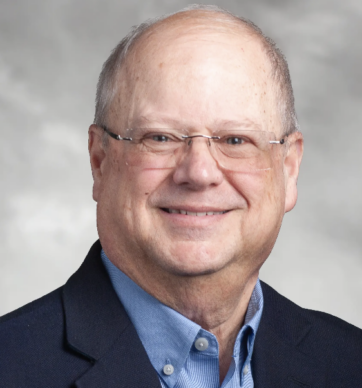
Bob Rajewski
Founder & President